
Ask a San Diego homeowner why they’re adding an outdoor kitchen and most will talk about grilling more, hosting more, and using the yard more. Ask their real estate agent, and a different explanation comes up just as often: buyers notice, and it shows up in what they’re willing to pay.
What Realtors Are Actually Telling Sellers
The National Association of Realtors surveys its members regularly on which exterior features move buyers, and the numbers are consistent from year to year. 92% of Realtors have suggested sellers improve curb appeal before listing, and nearly all consider it important to how buyers perceive a home.
Outdoor kitchens sit near the top of the features agents point to when they talk about exterior improvements that read as intentional rather than cosmetic. A built-in grill station with counter space and storage tells a buyer the home has been set up for actual use, not staged for a photo.
Why the Math Works Differently in a Year-Round Climate
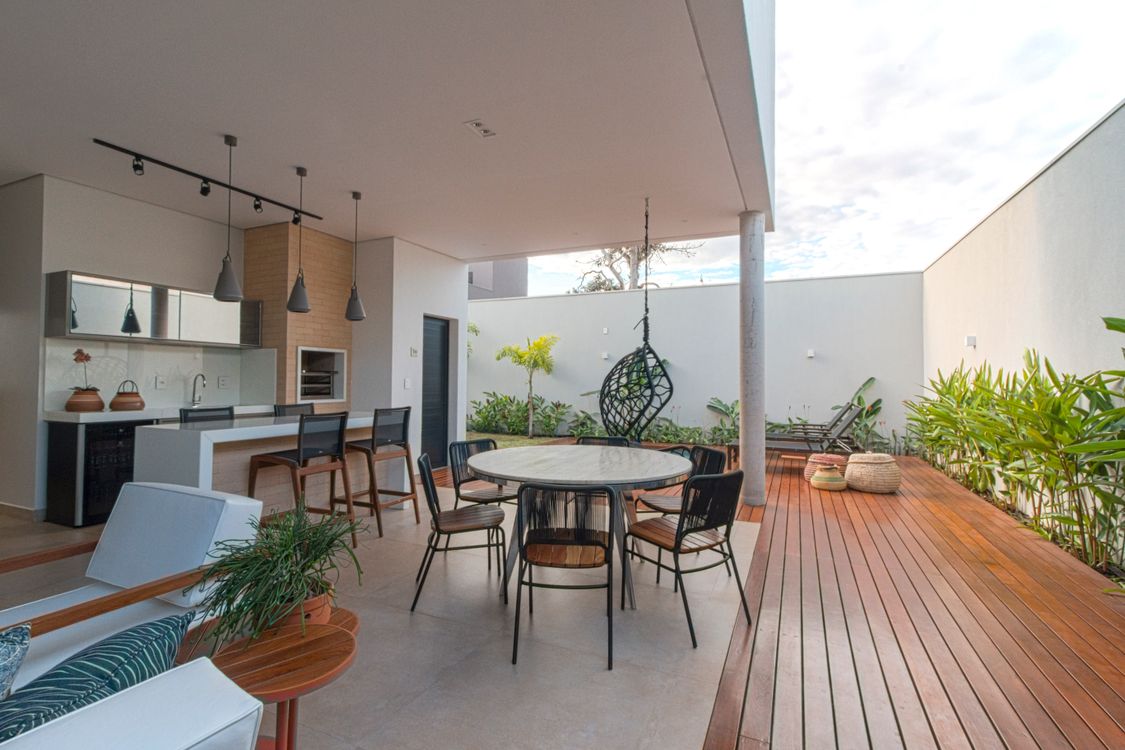
National estimates for outdoor kitchen returns vary widely depending on scope and materials, but they consistently land higher than most interior remodels, and San Diego’s climate is a major reason why. An outdoor kitchen in a region with genuine winters sits unused for a third of the year. In San Diego, with roughly 260 sunny days annually, the same structure gets used across nearly every month, which changes how buyers and appraisers alike weigh the investment.
That usability gap is also why San Diego outdoor kitchens have gotten more ambitious over the past several years. What used to be a built-in grill and a small counter has increasingly become a full second kitchen: refrigeration, prep space, sometimes a pizza oven, all under some form of shade structure that extends its usable hours into the hottest part of the afternoon.
Materials matter for the return, too. Porcelain and sealed concrete counters resist the sun exposure and moisture that would degrade lower-grade materials faster near the coast, and buyers increasingly recognize the difference between a durable installation and a weekend project that’s already showing wear.
Reading the Trend Without Overbuilding
Not every outdoor kitchen pencils out the same way. A high-end build in a modest neighborhood risks the same over-improvement problem that oversized interior remodels run into: spending more than comparable homes in the area can support at resale.
What the data does support is a fairly consistent pattern: San Diego buyers treat a well-built outdoor kitchen as functional square footage, not a luxury add-on, and agents’ curb-appeal advice reflects that. In a climate built for outdoor living, the ROI case for an outdoor kitchen isn’t really a bet on trends. It’s a bet on a backyard getting used.