
The federal government’s $10 million investment in a two-summer skin cancer prevention campaign, first announced to coincide with National Skin Cancer Action Week, continues to shape public messaging around sun safety each November, with flow-on effects for how many Australians actually book a skin check.
The scale of the problem the campaign targets
Two in three Australians will develop skin cancer during their lifetime, and around 2,000 people die from it annually, the highest rate globally. National Skin Cancer Action Week, held each year from November 20 to 26, has become the government’s chosen platform for renewing the decades-old “slip, slop, slap, seek, slide” message.
Consistently ranking among the highest global rates for a country with strong healthcare access is itself a telling detail. It suggests the driver is largely environmental and behavioural, tied to sun exposure patterns and outdoor lifestyle, rather than a gap in medical infrastructure or diagnostic capability.
The five-step framework, promoting protective clothing, SPF 30+ sunscreen, hats, shade, and sunglasses, hasn’t changed materially in years, but the funding behind it has, with the campaign explicitly designed to run across two consecutive summers rather than a single burst.
Running the campaign across two summers rather than one is a deliberate design choice. Public health messaging researchers have long argued that single-year campaigns struggle to build lasting behavioural change, since awareness typically fades within months once the advertising stops.
Why awareness weeks translate into booking spikes
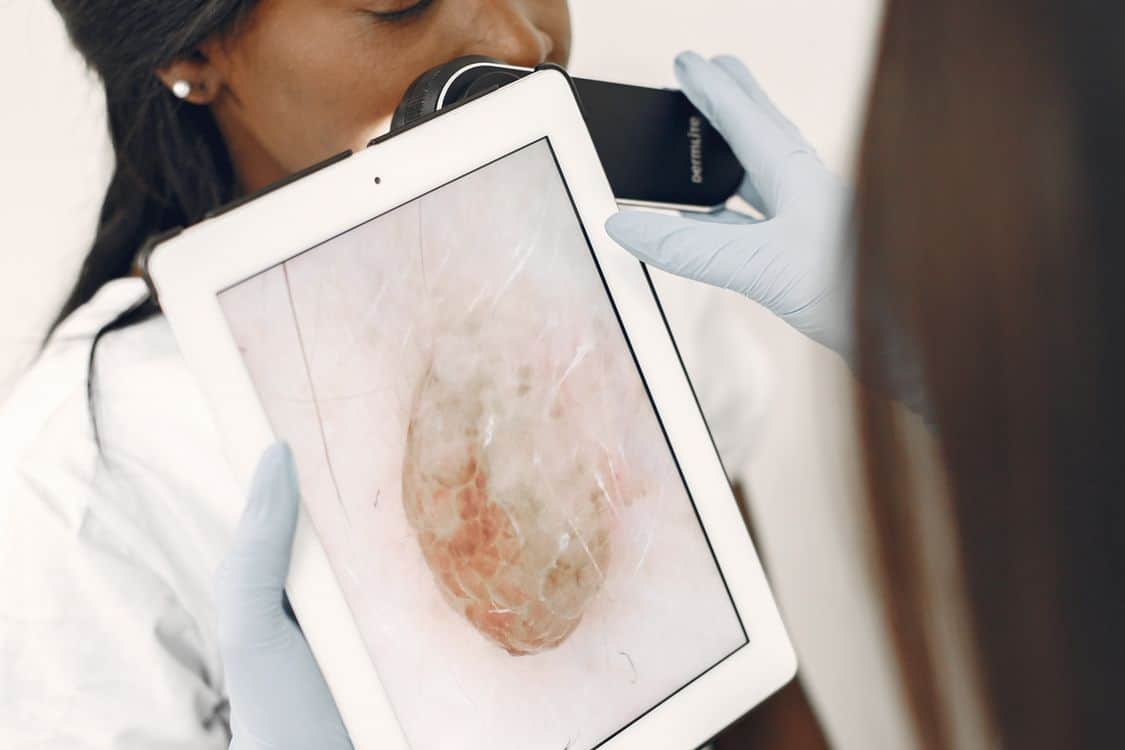
Public health campaigns timed to National Skin Cancer Action Week reliably correlate with a jump in skin check bookings in the weeks that follow, according to clinic-level observations reported around the campaign’s launch. Cancer Council Australia welcomed the funding as a meaningful step toward sustained rather than one-off public health messaging.
That correlation isn’t unique to this particular campaign. Similar spikes have followed earlier one-off sun safety pushes over the years, though without sustained funding those spikes have typically faded within a month or two as media coverage and advertising moved on to other topics.
That pattern matters for anyone who has been putting off a check. If the annual campaign is the nudge that finally gets people to act, the practical next step is simple: book before the campaign period gets busy, rather than during the surge when appointment slots are hardest to secure.
Clinics anecdotally report that the last week of November and the weeks immediately following are their busiest booking window of the year, coinciding almost exactly with the campaign dates, which makes early booking a genuinely practical piece of advice rather than a generic recommendation.
Turning a media moment into a habit
Public health researchers have long noted that awareness campaigns work best when they convert into recurring behaviour rather than a single annual event. A two-summer funding commitment is at least a step toward that consistency, compared with campaigns that run once and then disappear from public consciousness for years.
For anyone whose last skin check happened during a previous campaign cycle and hasn’t been repeated since, now is a reasonable point to act rather than wait for the next wave of advertising. Choosing to get a mole check in Brisbane ahead of the November surge, rather than during it, tends to mean shorter waits and more thorough attention per appointment.
The campaign’s real test is whether the two-summer funding window shifts skin check habits permanently, or whether bookings simply spike and fade the way they have after previous single-year campaigns. Either way, the November surge is a predictable enough pattern that patients can plan around it rather than get caught in it, and doing so costs nothing beyond moving a booking forward on the calendar.