
Electric submersible pump optimization is moving from periodic engineering review toward continuous field control. At the 2026 SPE Artificial Lift Conference, ExxonMobil said it was rolling out closed-loop ESP control across all of its Permian wells. The system evaluates operating and facility conditions before making optimization decisions.
The development matters because pump performance cannot be isolated from the rest of the production system. ExxonMobil’s approach reportedly performs about 20 checks and considers constraints such as separators as well as the well itself. The company described a rollout of closed-loop ESP control across its Permian portfolio.
Automation changes the operating rhythm
A conventional workflow often depends on an engineer reviewing trends, diagnosing a problem and requesting a field adjustment. By the time the change is made, reservoir pressure, water cut, gas behavior or facility capacity may have shifted. Closed-loop control can repeat the analysis more frequently and respond within approved operating limits.
That does not make equipment selection less important. An Electric Submersible Pump still has to match the expected rate, lift, fluid properties, gas fraction, temperature and well geometry. Motors, seals, cable, variable-speed drives and downhole sensors must be specified as a system. Automation cannot recover reliability that was designed out at the start.
Guardrails matter as much as the algorithm
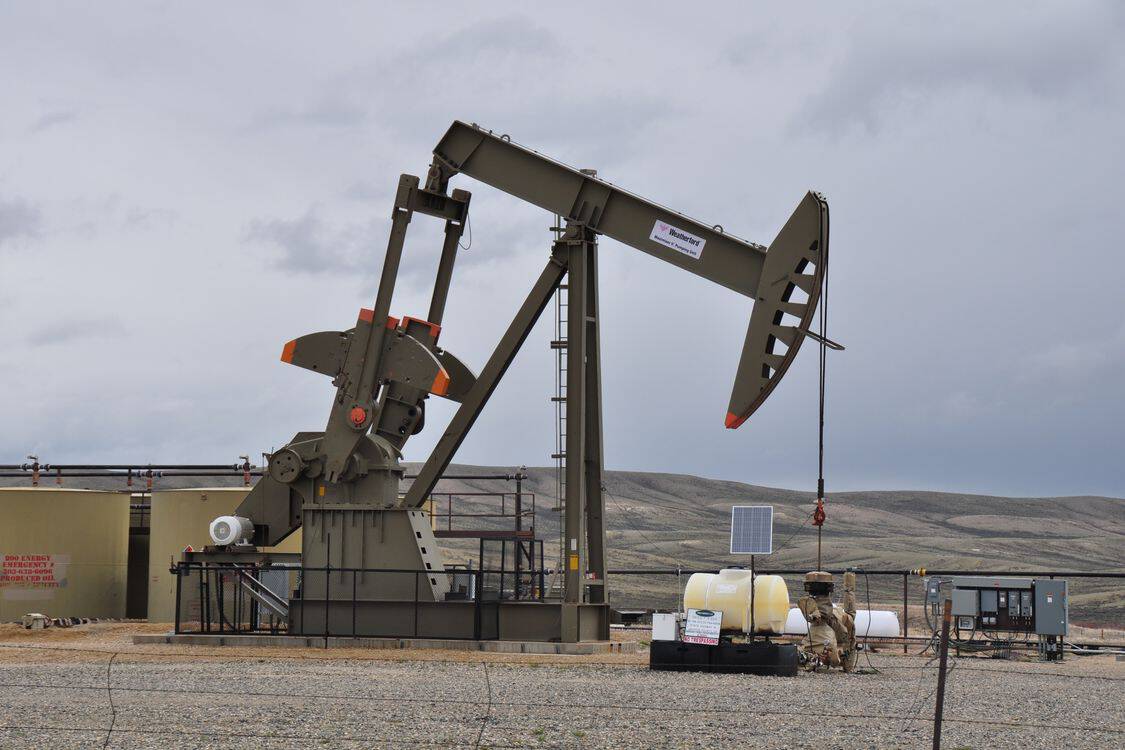
A useful control system needs trustworthy measurements, defined limits and a clear response when data quality degrades. Operators should know which decisions are automatic, which require approval and how the system handles conflicting objectives between the well and surface facilities. Engineers also need an auditable record of changes.
The Permian rollout is a credible sign that autonomous optimization is moving into large-scale operations. The next competitive question will not be whether an ESP can transmit data. It will be whether the complete lift system can turn that data into repeatable production gains without sacrificing run life or exceeding facility constraints.
Useful optimization depends on understanding the pump’s operating envelope. Intake pressure, discharge pressure, motor load, temperature, vibration and drive frequency can indicate whether the system is moving toward gas interference, downthrust, upthrust or another damaging condition. The controller needs limits that reflect the installed equipment and the uncertainty of each measurement.
Surface constraints can be just as decisive. Increasing one well’s rate may overload a separator, raise backpressure or displace production from another well sharing the facility. A field-wide system must evaluate those interactions rather than maximizing every pump independently. That is why closed-loop control becomes a production-network problem, not simply a faster variable-speed-drive adjustment.
Data quality determines how much control is safe
Bad sensors, missing data or inconsistent tags can turn a sensible rule into the wrong action. Operators need validation checks, fallback modes and alarms that distinguish a process change from an instrumentation failure. If communications are lost, the well should return to a defined safe operating strategy rather than continue following stale recommendations.
Human oversight remains valuable during deployment. Engineers can compare automated decisions with well behavior, investigate exceptions and adjust limits as the reservoir changes. A staged rollout, beginning with advisory recommendations and progressing to closed-loop action, can build confidence while exposing gaps in models or field procedures.
Performance should be measured across more than incremental barrels. Run life, intervention frequency, power consumption, deferred production and facility stability all belong in the evaluation. A controller that raises short-term output but accelerates pump failure may destroy value. The strongest implementation will balance production with equipment protection and make that tradeoff visible to the people responsible for the asset.
Cybersecurity and change control belong in the deployment plan too. Remote commands should be authenticated, user permissions limited and control-logic changes reviewed. A tested rollback process helps teams restore a known configuration if an update produces unexpected field behavior.
As models learn from more wells, operators should avoid assuming that one field’s rules transfer unchanged to another. Completion design, fluid behavior, equipment configuration and surface networks differ. Local validation keeps automation grounded in the actual system it is controlling.