
Many households face the same frustrating routine of a slow sink or an overflowing shower, and the issue tends to pop up more than anyone expects. A frequently clogging drain interrupts daily life and raises repair bills if left to simmer.
Patterns in how you use sinks, tubs, and disposals reveal a lot about what is building up inside the pipes. Spotting patterns in how you use sinks, tubs, and disposals early can help you take steps on how to prevent and sink backups, reducing those inconvenient visits from the plumber.
Hair And Soap Scum Build Up
Hair slips into shower and bathroom sink drains with every wash, and those same strands lock together with soap scum to form a net that slows water flow. Little bits of skin, conditioner residue, and tiny fibers from towels join the tangle and help it glue to the pipe wall.
Over time the mat thickens, trapping more particles and making a minor slowdown into a full stop. A routine of removing visible hair and lifting the trap cover for a quick clean cuts down on repeat blockages and keeps the water running free.
Grease And Cooking Residue Accumulation
Leftover grease and oil poured down the kitchen sink cool and cling to the inside walls of pipes, creating a sticky lining that catches food scraps and starches. Coffee grounds and rice or pasta flakes add to the mass and form a dense plug that resists simple flushing.
Small additions over weeks or months stack up, narrowing the bore until water struggles to pass at all. Putting used oil into a sealed container and using a sink strainer can stop that slow build before it turns into a messy repair.
Foreign Objects And Small Items
Small items such as cotton swabs, dental floss, pieces of tissue, and baby wipes can slip into drains and lodge where the pipe curves or the trap narrows. Labels sometimes claim wipes are flushable, but the fibers and binders expand in water and catch other debris like a net.
Children also drop toys and jewelry into baths and toilets, creating block points that gather hair and soap around them. Regular checks of the trap and a clear rule about what can go down the drain prevent many of these surprise backups.
Tree Roots And Ground Movement
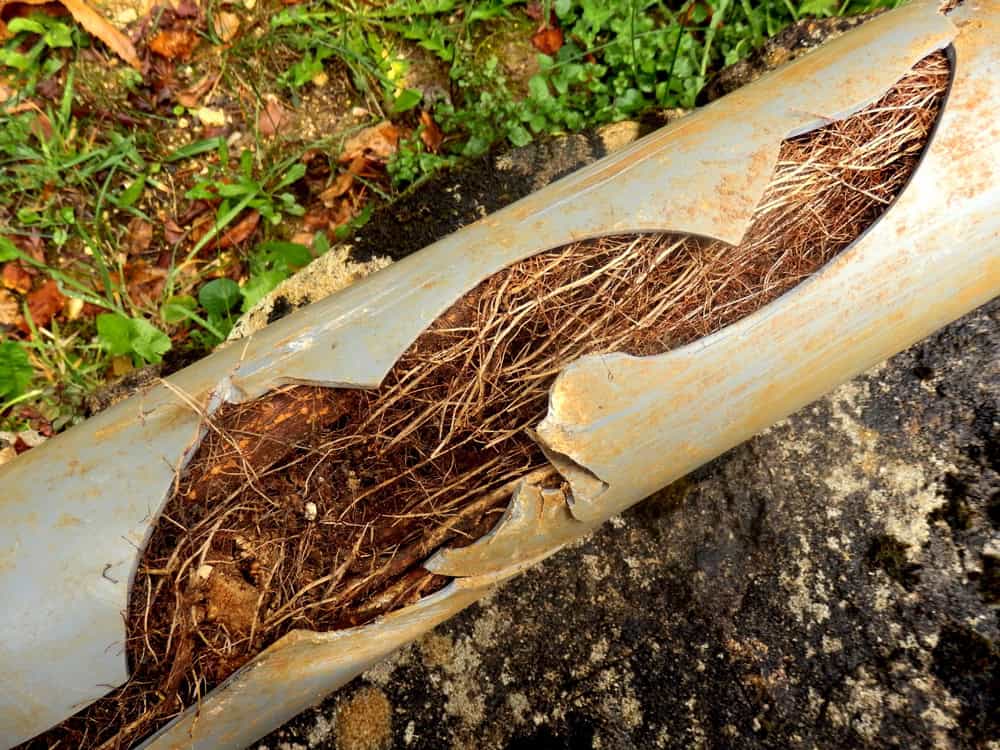
Older sewer lines with small cracks or loose joints attract tree roots that probe for moisture and then grow into the pipe, slowly packing the line with root fibers and mud. Even slight ground movement from shifting soil will misalign a joint and give roots an opening to invade, resulting in recurrent backups at a specific fixture.
Once roots take hold, plunging or pouring cleaner rarely fixes the underlying break in the pipe. A camera inspection reveals whether roots are the repeat offender, and targeted removal or rerouting can restore free flow.
Mineral Scale From Hard Water
Calcium and magnesium dissolved in hard water precipitate out and coat the interior of pipes, forming a rough scale that narrows the passage and promotes clinging of grease and hair. Over years that scale can grow into a thick crust that resists water pressure and makes clogs more likely in places that once drained fast.
Periodic descaling or a water softener change the chemistry inside the pipe enough to slow the build up and preserve flow. In metal plumbing, heavy scale also promotes corrosion that reduces effective diameter and invites more blockages.
Worn Out Or Narrow Pipes
Older plumbing materials corrode, pit, and lose cross section, turning once generous drains into thin channels where waste catches easily. Narrow replacement pipes that are installed without careful grading create pockets where solids settle and cling, increasing the frequency of stoppages.
A section of badly corroded or undersized pipe will create repeat trouble at the same location and often grow more stubborn with each clearing attempt. Replacing targeted segments with smooth modern pipe restores velocity and cuts down on recurring calls to unclog the same spot.
Faulty Venting And Poor Air Flow
Plumbing vents on the roof equalize pressure in drain lines so water can flow smoothly, and when vents clog with leaves, debris, or bird nests the system can sputter and drain slowly. Poor venting causes traps to empty or gurgle, inviting sewer gas into the home and making it easier for solids to stop moving forward.
The symptoms are often misread as a local clog because the slowdown shows at a sink or tub, but the root cause sits at the vent above the roof. Clearing or repairing venting restores balanced flow and removes that invisible barrier to free drainage.
Improper Use Of Garbage Disposal
A garbage disposal is handy for small scraps, yet certain items make a habit of turning a helpful device into a chronic trouble spot when they enter in large amounts. Fibrous peels, onion skins, starchy potato waste, and large bones do not grind down into a flowable pulp; they tangle the blades and pack the outlet to the drain.
Running plenty of cold water while using the unit and feeding material in small increments keeps the motor and pipes happier for longer. When the disposal itself clogs or hums without clearing, a careful manual cleaning or a plumber intervention can remove the jam and stop the cycle.
Frequent Use Of Harsh Chemical Cleaners
Chemical cleaners dissolve organic matter but they also attack pipe material over repeated use and reduce the helpful bacteria that keep a septic system balanced. Pouring caustic liquids often gives a fast fix only to set the stage for more resilient residues and weakened piping that will snag future debris.
Mechanical tools such as a drain snake or a hydro jet remove buildup without the collateral damage and preserve the long term health of the line. If clogs return after a mechanical clear, a deeper look by a technician will indicate whether hidden damage or persistent buildup is to blame.