
NFL ticket prices have nearly tripled from 2015 to 2025 after adjusting for inflation, according to data from ticketing platform Gametime. That’s not a typo, and it’s not limited to football. College football prices jumped 119%. MLB climbed 111%. NBA rose 70%.
Across every major league, the cost of watching your team play in person has outpaced general inflation by such dramatic margins that an entire generation of fans is being systematically priced out of stadiums.
The Numbers Don’t Lie
In 2014, the average cost for two people to attend an NFL game – including tickets, one beer, one hot dog, and parking – was manageable for middle-class families in most markets. A decade later, that same experience costs 40% more on average across the league, with some teams seeing increases exceeding 200%. The Detroit Lions lead the pack with a staggering 201% increase in per-person costs since 2014.
Half the league raised prices faster than the national inflation rate of 32% over that same period. Only seven teams saw prices decrease. What this means in practical terms: a family tradition of attending games together has become a luxury expense that requires budgeting and sacrifice rather than a routine part of being a fan.
The Average Ticket Is Now $125
The baseline price of entry tells the story most clearly. During the 2024-2025 NFL season, the average ticket cost $125. That’s for one person, for one game, before parking, food, or drinks. For a family of four, you’re spending $500 on tickets alone. Add parking at $40, concessions at $15 per person, and you’re north of $600 for a three-hour experience.
These are averages, which means premium matchups cost significantly more. Rivalry games, playoff contenders, prime-time slots – all command dynamic pricing that can push costs 50% to 100% higher than the season average. The San Francisco 49ers exemplify the extreme end: season ticket packages for 2026 reportedly increased 16.7% compared to 2025, pushing the average cost to around $2,800 for the season. That’s before the Stadium Builders License fee required just for the right to buy those season tickets.
When “Get-In” Prices Don’t Get You In
The industry talks about “get-in pricing” – the cheapest available ticket, typically upper-deck seats with obstructed views. These are the numbers cited when teams claim games remain affordable. But get-in pricing increasingly means seats so far from the action that you’d have a better view watching on a phone from the parking lot.
Upper-deck tickets that once cost $30 to $40 now start at $60 to $80 for many teams. The equation changes when you factor in travel time to the stadium, parking, food, and the reality that you’ll spend three hours watching a game where the players look like action figures. At a certain point, the home viewing experience – with better angles, instant replay, and no $15 beers – becomes the rational choice.
Premium Seats Become Completely Inaccessible
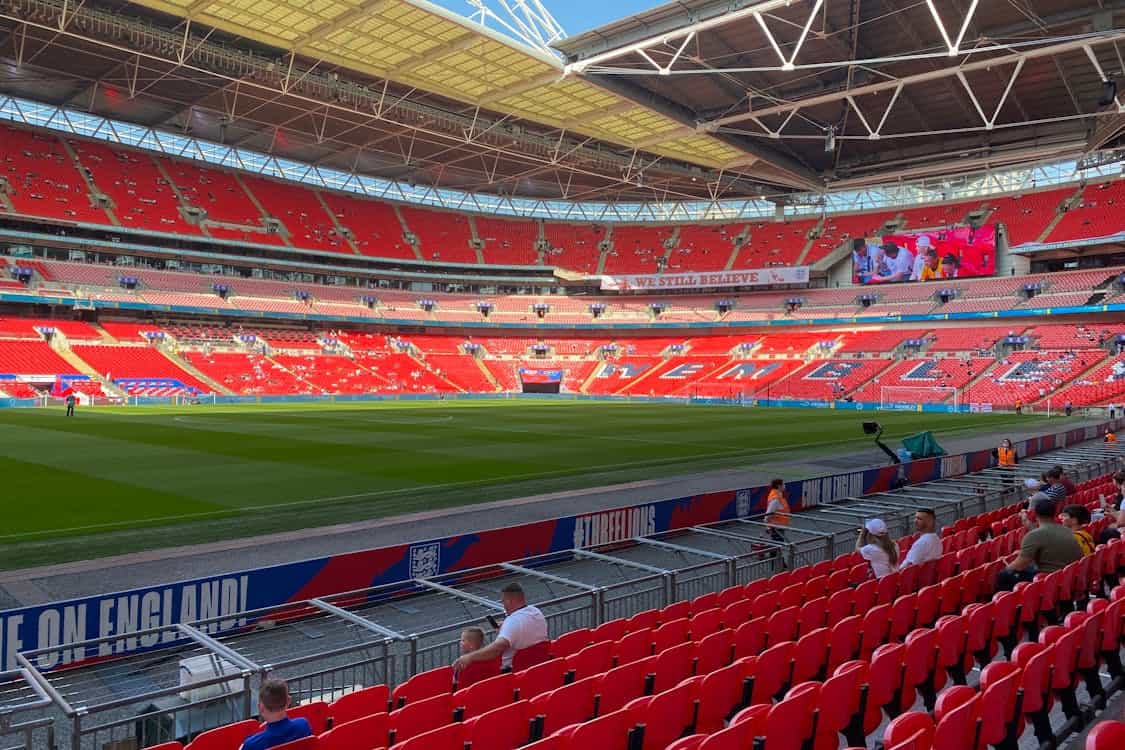
While average prices climbed, premium seat costs have entered stratosphere territory. Club seats, luxury boxes, and field-level seating have seen increases that make the overall averages look modest. Teams are deliberately reducing total stadium capacity while adding premium sections, banking on the fact that wealthy fans and corporate buyers will pay exponentially more for exclusive experiences.
The strategy works financially – teams generate more revenue from fewer fans – but it fundamentally changes who attends games. The rowdy, passionate fan sections that created home-field advantage get replaced by corporate hospitality guests who treat attendance as networking rather than fandom. The atmosphere suffers. The competitive advantage erodes. But the spreadsheets look great.
Why Teams Keep Raising Prices Anyway
Sports economists point to supply and demand. Stadium capacity is fixed. Demand for premium sports experiences continues growing among high-income consumers and corporations. Teams maximize revenue by pricing toward the top of the demand curve rather than toward accessibility.
Dynamic pricing accelerates this trend. Rather than setting fixed ticket prices at the start of the season, teams now adjust prices in real-time based on demand signals. A team on a winning streak? Prices up. Star player returning from injury? Prices up. National TV game? Prices up. The system captures maximum revenue but introduces volatility that makes budgeting impossible for average fans.
The other driver: being a sports fan can be pricey, and leagues have concluded that passionate fans will pay almost any price to maintain their connection to teams. The psychological investment in fandom – decades of following a team, emotional attachment to players and history – creates pricing power that teams aggressively exploit.
The Cultural Consequences
What gets lost in revenue optimization discussions is the cultural role of accessible live sports. For generations, attending games served as cross-class social spaces where wealthy lawyers sat sections away from working-class fans, all unified by team loyalty. That mixing is disappearing.
Parents who grew up attending games with their own parents now can’t afford to continue the tradition with their kids. The generational transmission of fandom increasingly happens through screens rather than shared stadium experiences. Young fans from middle-class and working-class families grow up having never attended a live game, which fundamentally changes their relationship to the sport and team.
The economic segregation extends beyond individuals. Entire communities get priced out. Cities with lower median incomes but passionate fan bases – places where the team represents civic identity and pride – find their own residents unable to afford tickets. The stadium becomes a destination for wealthy visitors while local fans watch from bars.
Some Teams Buck the Trend
Not every franchise chases maximum revenue through aggressive pricing. Seven NFL teams actually decreased prices between 2014 and 2024, proving that alternatives exist. The New England Patriots began offering free parking in 2023, eliminating a $40 expense and creating goodwill with fans. Other teams maintain affordable general admission sections or family pricing packages.
These examples demonstrate that pricing out average fans is a choice, not an economic necessity. Teams operating in the same league, with the same revenue-sharing structures and salary cap constraints, can choose to prioritize accessibility. They don’t all do it, because shareholder value and franchise valuations reward aggressive monetization. But the infrastructure for more equitable pricing exists when teams want to use it.
The Streaming Alternative Accelerates
High ticket prices don’t exist in a vacuum. They’re pushing fans toward streaming and alternative viewing experiences exactly when technology makes those alternatives increasingly compelling. 4K broadcasts, multi-angle replays, real-time stats, fantasy integration – the home viewing experience now rivals or exceeds stadium attendance for many aspects of engagement.
Bars and restaurants have capitalized on this trend, creating stadium-like atmospheres with big screens, fellow fans, and reasonable food and drink prices. You get the communal experience without the $600 cost and three-hour round-trip drive. For many fans, particularly those with young children, this becomes the preferred option.
Leagues haven’t fully reckoned with the long-term implications of training an entire generation to prefer at-home viewing. The in-stadium experience might command premium prices now, but if affordable access disappears for twenty years, will demand still exist when today’s kids are the ticket-buying adults?
What Happens Next
Market forces suggest prices will continue climbing. Wealthy fans and corporations show willingness to pay premium costs. Teams keep building smaller, more luxurious stadiums designed for affluent attendees. Dynamic pricing ensures every ticket sells at the maximum price the market will bear.
But economics alone doesn’t account for the intangible value of accessible live sports to civic culture, community identity, and cross-generational fandom. A sport that prices out half its potential fans is making a bet: that the revenue from the wealthy half exceeds what’s lost from alienating everyone else. Financially, that bet may pay off. Culturally, it impoverishes the game.
The question isn’t whether teams can extract more money from wealthier fans – clearly they can. The question is whether professional sports, long positioned as democratic spaces where anyone can participate as a spectator, will choose to maintain that accessibility or fully embrace a luxury entertainment model where working-class fans are relegated to their televisions.
Current trends suggest the choice has already been made. The average NFL ticket will keep climbing past $125, and teams will keep justifying it with references to demand and market dynamics. And somewhere, a kid who would have become a lifelong fan after attending their first game will instead grow up never having seen their team play in person. The spreadsheet won’t capture that loss, but it’s real nonetheless.