

How to Safely Buy and Hold Physical Gold Investments
Investing in physical gold offers a tangible hedge that many people find reassuring in times of uncertainty and market flux. Holding metal in your possession can create a different kind of confidence than paper assets, but that comfort comes with responsibilities and trade offs.
Learning to buy wisely and to store with care reduces risk and preserves value for the long run.
Why Invest In Physical Gold
Physical gold has a long track record as a store of value and a hedge against currency shifts, yet it also plays a role in portfolio diversification and emotional comfort. Some investors like the psychological effect of holding a metal asset whose supply is limited and whose history spans centuries, and that sense of permanence can counteract short term market anxiety.
Gold does not generate income in the way bonds or dividends do, so the decision to own it should balance preservation goals with willingness to accept that trade off. For many, a modest allocation to physical metal complements other holdings and acts as a form of financial insurance.
Types Of Physical Gold
Coins, bars and rounds are the most common formats and each brings its own pros and cons in terms of liquidity, premiums and recognizability in the marketplace. Government minted coins often carry a small numismatic premium but are widely accepted, while privately produced bars can offer lower per ounce premiums for larger purchases.
Jewelry can hold cultural and sentimental value but adds the complication of craftsmanship premiums and variable purity that affect resale. Choosing a format hinges on personal goals, the scale of investment and how quickly the asset might need to be converted back to cash.
How To Verify Purity And Authenticity
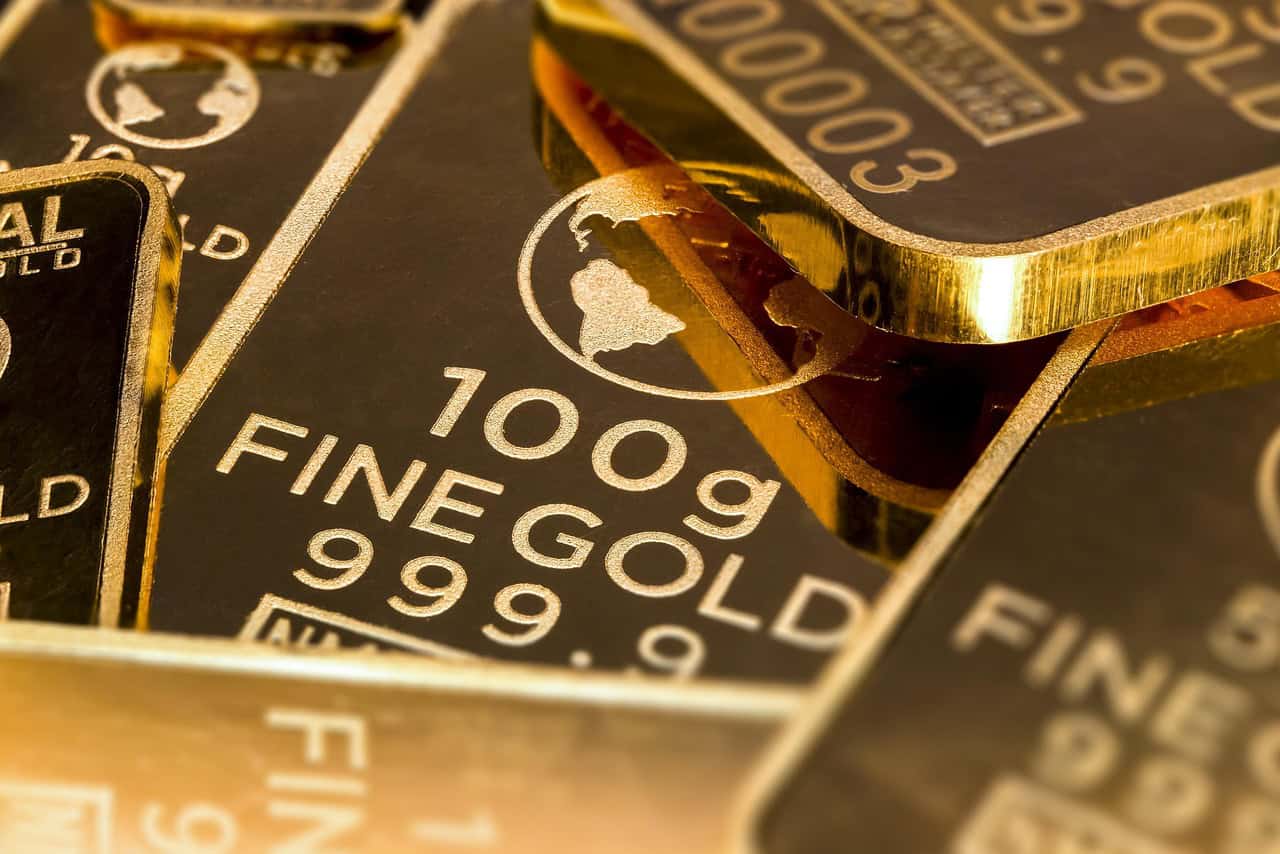
Hallmarks, assay certificates and reputable mint marks are the first line of proof when assessing a gold piece, but physical testing methods bring additional confidence for buyers and sellers alike.
A simple acid test gives a rough reading while electronic testers provide more precise measurement of conductivity and density profiles, and specialized scales and calipers help confirm expected weight and dimensions.
For high value purchases it is common practice to seek an independent assay or to transact through dealers that offer buy back guarantees tied to verified purity standards. A mix of visual checks and measured tests tends to catch obvious counterfeits and offers peace of mind for someone holding large sums in metal.
Choosing A Reputable Dealer
Reputation matters because the dealer you use influences the price you pay, the authenticity guarantee you receive and the ease with which you may sell later on. If you’re looking to make a secure investment, working with a reputable gold dealer for bullion investments ensures that you’re dealing with verified quality and trustworthy pricing.
Look for long standing businesses that publish transparent buy and sell spreads, offer clear documentation and have verifiable customer feedback across independent platforms.
Membership in trade associations and a physical presence often add extra layers of trust, so avoid sources that rely solely on anonymous marketplaces without a verifiable track record. When making a major purchase ask direct questions about returns policies, escrow options and how disputes are handled so surprises are less likely.
Pricing And Premiums
The quoted spot price of gold serves as the baseline, but the final cost to buy physical metal includes premiums that reflect fabrication, distribution and dealer margin. Premiums vary by product type, brand, weight and market demand, and smaller increments usually carry higher per ounce premiums compared with larger bars.
A savvy buyer tracks spot moves, compares multiple dealers and times purchases when spreads are reasonable rather than chasing short term spikes. Being patient about premium pricing often results in lower overall acquisition cost and a better position when it comes time to liquidate.
Safe Storage Options
Home safes, bank safety deposit boxes and professional vaulting services each present trade offs in accessibility, cost and security that align with different investor preferences. A heavy, properly anchored safe in a discreet location can deter casual thieves but will not match the physical security and insurance structures offered by third party vault providers.
Bank boxes limit immediate access yet are familiar to many and often cost less for small holdings, while insured vaulted storage provides scale and institutional grade protection for larger portfolios.
Think about how frequently you want access to the metal, how visible your holdings might be to others and what level of external oversight you prefer when choosing where to keep the asset.
Insurance And Documentation
Proper paperwork improves the merchantability of a gold holding because buyers and insurers look for clear provenance, receipts and certificates that tie metal to its history. When storing at home add a clear inventory, high quality photos and secure storage receipts to any homeowner policy, and keep duplicates of documents in a separate secure location.
For third party storage request an itemized contract that spells out insurance coverage limits, the circumstances under which you may access the metal and the process for transfer or redemption. Good documentation reduces frictions when selling and makes important claims simpler if loss or damage occurs.
Tax And Legal Considerations
Tax rules for precious metals vary across jurisdictions and can affect capital gains treatment, reporting obligations and the classification of gold for tax purposes. Some countries treat gold as a collectible and tax gains at a different rate than standard capital assets, while others allow tax deferred structures in retirement accounts to hold certain gold products.
Keep careful records of purchase dates, costs, serial numbers and any fees paid for storage or insurance so a clear trail exists for tax reporting and for later reference when calculating gains. Consulting a tax advisor who is familiar with metal investments will help align ownership choices with legal obligations and minimize unexpected costs.
Selling And Liquidity Strategies
When it comes time to sell being prepared pays off because market conditions, choice of buyer and timing influence the net proceeds received from a sale. Having a pre selected network of buyers or dealers reduces time to liquidity, and knowing the typical buy back spread for your product helps set realistic price expectations.
Keep all original packaging and certificates because complete presentation often attracts better offers and speeds transactions with dealers who value traceable provenance. If you anticipate needing cash on short notice maintain a clear plan that balances selling some holdings versus using secured loans against the metal as temporary liquidity tools.